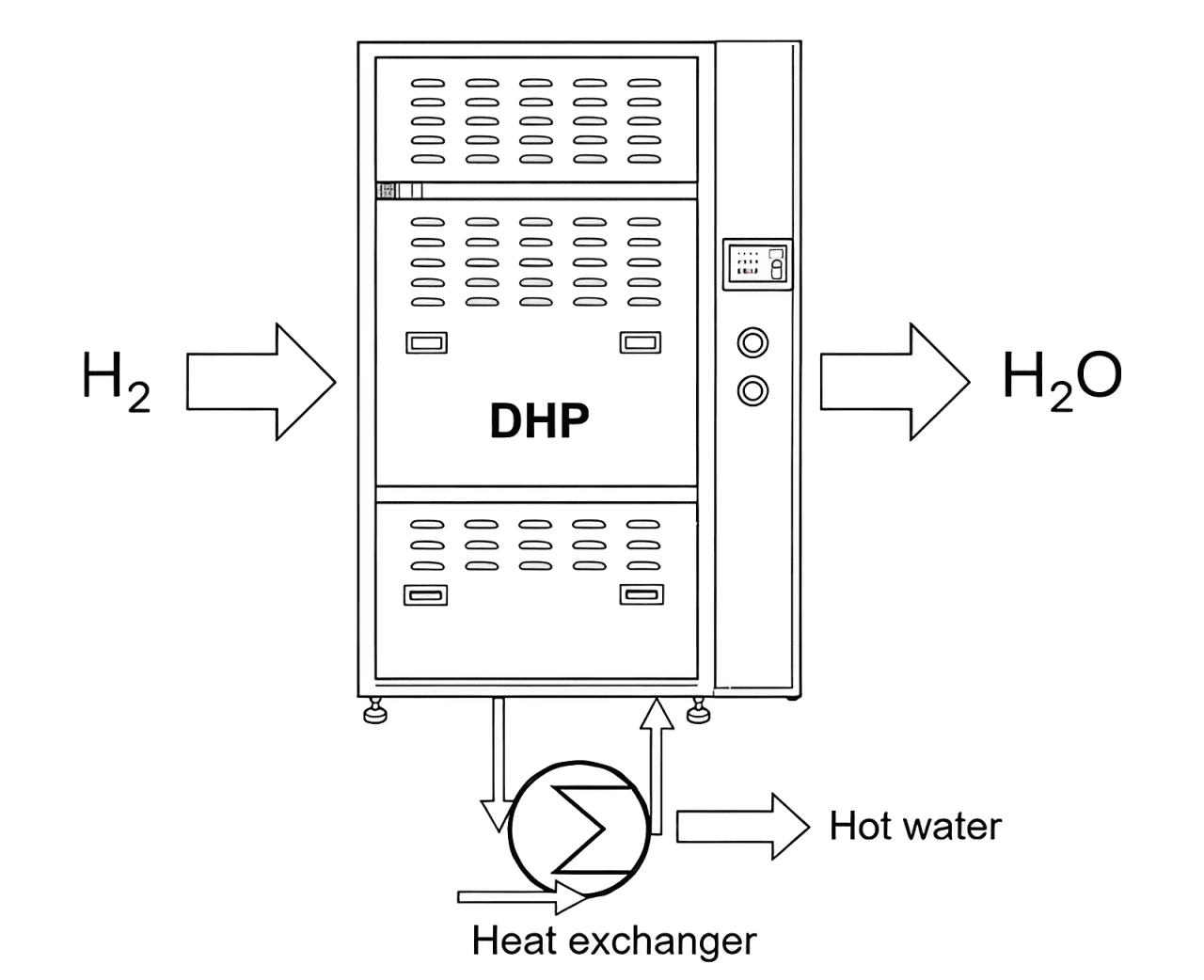
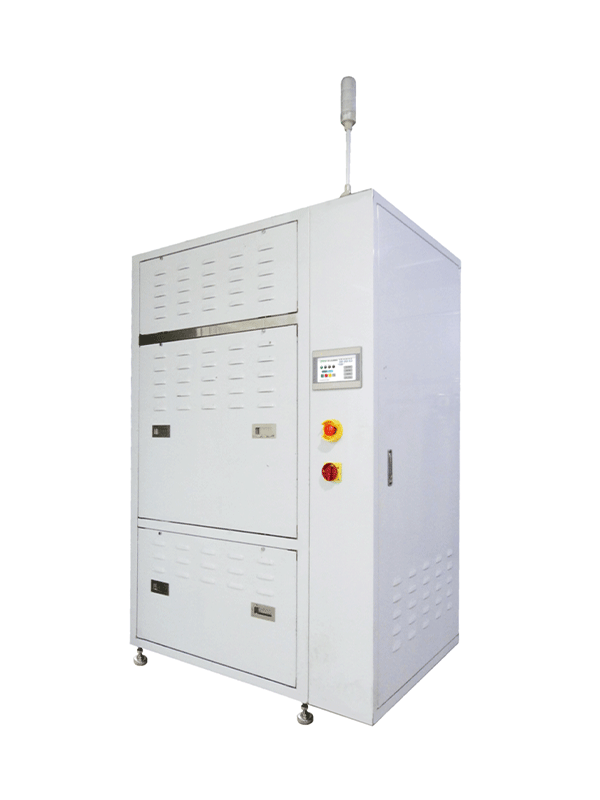
Toplus’ DHP Pumping-Type Hydrogen Eliminator adopts high-efficiency catalytic conversion technology to directly convert process exhaust hydrogen into water vapor under flameless conditions.
Without the need for combustion, DHP enables hydrogen treatment with zero CO₂ and NOx emissions. Compared with conventional methods, DHP eliminates hydrogen directly at the source, effectively preventing hydrogen accumulation and related risks while fundamentally improving process safety.
The system features low energy consumption and can also utilize reaction heat for heat recovery, further enhancing overall energy efficiency. Since no high-temperature combustion is involved, DHP can significantly reduce equipment thermal load and material degradation, lowering maintenance requirements and minimizing the risk of unplanned downtime to ensure stable long-term operation.
With its modular design, DHP can be flexibly configured according to different process conditions and seamlessly integrated with existing exhaust or facility systems, reducing implementation barriers.
DHP is suitable for industries such as semiconductors, metal heat treatment, and hydrogen energy, helping customers achieve safety, environmental protection, and operational efficiency while complying with increasingly stringent environmental regulations and ESG sustainability requirements.